
Iran Denies Involvement in Strike On Saudi Arabia's Ras Tanura Refinery
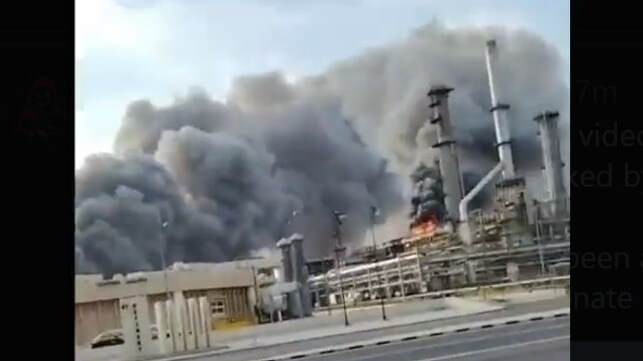
Saudi Arabia has shut down processing at its gigantic Ras Tanura installation, part of the world's largest oil port, after a reported Iranian drone attack inflicted serious damage. For the first time since the beginning of recent hostilities in the Gulf region, Iran has denied involvement.
Satellite imaging obtained on Monday by Vantor showed ongoing firefighting efforts at two large processing units at Ras Tanura. Bystander videos obtained by contractors and workers at the scene showed personnel evacuating the area and a blazing fire emanating from processing equipment.
High-resolution satellite images captured Monday by Vantor show the aftermath and damage caused by several strikes yesterday, by Iranian one-way attack drones, on the Saudi Aramco oil refinery in Ras Tanura, Saudi Arabia’s largest oil facility on the Persian Gulf.
— OSINTdefender (@sentdefender) March 2, 2026
Image credit:… pic.twitter.com/mjOZLhPYvj
In addition to its refineries and gigantic tank farms, Ras Tanura is also home to the world's largest offshore loading terminal. It has two piers extending from shore and a chain of three offshore loading platforms ("islands") capable of handling VLCCs. As tanker traffic into and out of the Strait of Hormuz is temporarily halted, activity levels at the terminal may be limited going forward regardless of events on land; at present, empty tankers are not entering the Arabian Gulf to load.
Though Iran is presently engaged in a campaign of retaliatory attacks against neighboring states, officials in Tehran have denied involvement in the Ras Tanura incident and have instead blamed Israel for an alleged "false flag" operation.
"Iran has announced frankly that it will target all American and Israeli interests, installation, and facilities in the region, and has attacked many of them so far, but Aramco facilities have not been among the targets of Iranian attacks so far," an Iranian military source told IRGC-linked outlet Tasnim.

that matters most
Get the latest maritime news delivered to your inbox daily.
Iran-backed Houthi rebels attacked the Ras Tanura complex in 2021-22 during their long war with Saudi forces, prompting temporary shutdowns. A direct Iranian strike on the refinery would be a significant escalation, as it could affect 550,000 bpd of capacity at a single site.
The impact on markets has been comparatively modest so far. Oil prices have risen about 10 percent since the strikes on Iran began - but financial analysts warn that any protracted shutdown of Arabian Gulf export cargoes could cause a significant spike, and $100 oil is within the realm of possibility once more. For energy companies in unaffected oil exporting nations - notably Russia, Brazil and the United States - the price spike will be a windfall. If sustained, it could breathe new life into the shale fields of Texas; if it were to extend long enough to impact a multi-year outlook, prices in that range would drive additional interest in offshore oil, which has long lead times and high budget commitments for initiating projects.