
Hormuz Shutdown Could Also Affect Agriculture, Petchem and Mining Sectors
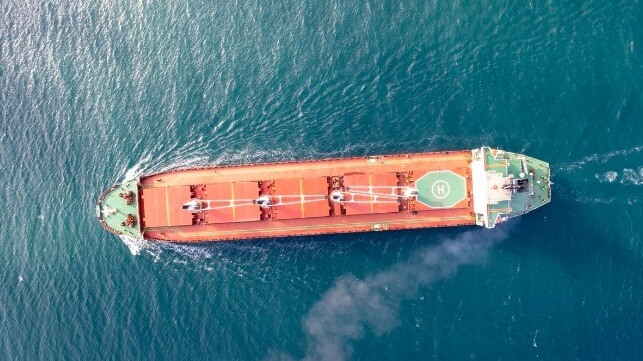
Much attention has been paid to the effects of the Strait of Hormuz shutdown on the oil and LNG markets, but there are half a dozen other commodities that will be affected in the weeks to come if a security solution isn't reached soon. The GCC states produce half of the world's traded sulfur, a large share of its phosphate, and much of its nitrogen fertilizers - all needed for industrial agriculture. They also supply methanol, ethane, propane, naphtha and other basic ingredients to chemical plants across East Asia.
Agricultural fertilizer may be the most prominent market affected, as the natural gas-rich region is a leading producer and exporter. The broader MENA region produces about half of the world's urea, critical for row crops. Gas giant QatarEnergy alone accounts for 14 percent of the global supply, and Iran accounts for another 10 percent.
Saudi Arabia is also a major exporter of elemental phosphate. Crop production for staples like wheat and corn is heavily dependent on these chemical fertilizer inputs, and planting season is coming in the northern hemisphere. Fertilizer markets in the U.S. are already reacting with price increases: urea has jumped by 70 percent in three months.
"Nitrogen/phosphate markets, the timing of the Strait reopening is everything. If the Strait opens quickly, production can continue and flows return," said fertilizer wholesale executive Josh Linville in commentary posted Wednesday. "However, the longer it draws out, the more likely production will be to stop for lack [of storage] space."

that matters most
Get the latest maritime news delivered to your inbox daily.
With the shutdown of the strait, exports of chemical feedstocks from the Gulf have also ceased. Chemical plants in some East Asian nations are already curtailing production because of the unpredictability of future feedstock deliveries. Yeochun NCC, a South Korean petchem plant operator, told its customers that it had declared force majeure on Wednesday because of a naphtha shortage, forcing it to reduce output at its plants to "minimum capacity" effective immediately. It is expecting long delays in naphtha shipments that were scheduled to arrive in March. Indonesian manufacturer Chandra Asri has announced similar production-slowdown steps.
The Gulf also accounts for half of the world's seaborne sulfur trade. A byproduct of petroleum processing in the region, it is used for making sulfuric acid - key to extracting phosphate for fertilizer and for refining copper, cobalt, nickel, lithium and gold ores. Prices have already been high for sulfur and are expected to rise, especially in African markets that are more dependent on Gulf suppliers.